
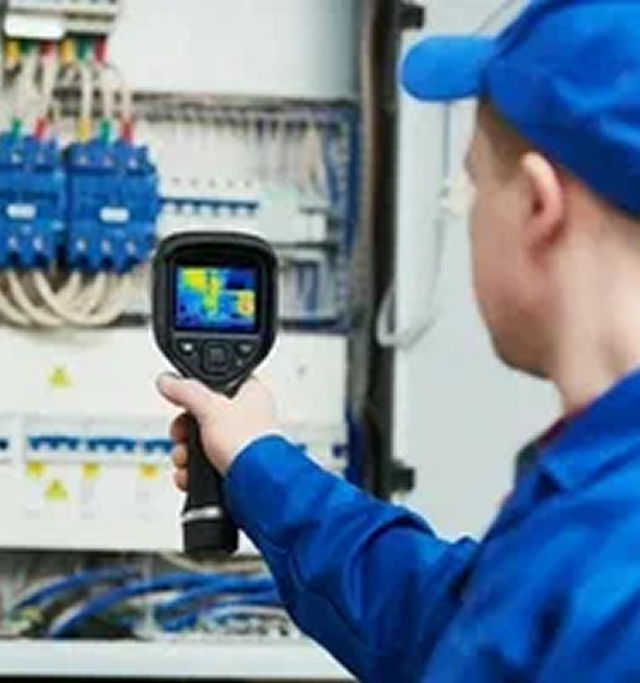
If you are building your new home in Virginia, the last thing you want to overlook is the electrical system. Electrical wiring is not only about lights and outlets. It concerns safety, comfort, future-proofing, and long-term efficiency. This checklist will give you a good understanding of what goes into planning a proper residential electrical setup, whether you are working with a builder or overseeing the project yourself.
At A&S Pro Electrical, we have helped thousands of homeowners in Virginia set up safe, code-compliant, and smart-ready homes. Here’s what we recommend to be part of your new home electrical wiring checklist.
1. Work With a Licensed Electrician from the Start
Before the foundation is poured or framing is set into place, a licensed master electrician should be consulted. In Virginia, all electrical work must be performed in accordance with the National Electrical Code (NEC) and any local building codes. A qualified electrician would assist you in:
- First planning of outlet and switch placements
- Calculating load requirements
- Determining panel size
- Assisting in the coordination of permits and inspections
Pro Tip: New constructions have to be inspected in various stages in Virginia. It is when the licensed contractor will make sure you pass your first time.
2. Choose the Right Electrical Panel
Your electrical panel is the heart of your power system at home. For most modern homes, a 200-amp panel is a minimum. It will give you enough capacity to carry out essential load requirements or possible future upgrades such as:
- EV charging stations
- Hot tubs or sauna
- Smart home automation
- Home office or workshop
Also, give some thought to surge protection or a panel-ready backup generator interface in the case of storms in Richmond or Williamsburg.
3. Plan Outlet and Switch Locations Thoughtfully
Every room in your house will have different electrical needs. Try to go through your floor plan while keeping in mind how you or others will engage with each space at some point.
- Living rooms: TV wall, sound system, floor outlets for lamps
- Kitchens: Appliances, countertop outlets (every 4 feet), under-cabinet lighting
- Bedrooms: Bedside outlets, ceiling fan wiring, USB ports
- Bathrooms: GFCI outlets near sinks, exhaust fans
- Garages: Dedicated circuits for tools or EV chargers
- Outdoors: Weatherproof outlets and landscape lighting access
Don’t forget code requirements: All outlets in wet areas (kitchens, bathrooms, outdoors) must be GFCI protected.
4. Add Dedicated Circuits for Heavy Appliances
Major appliances draw a lot of power and need their own circuit breakers. Your electrician should install dedicated lines for:
- HVAC systems
- Electric or gas ranges
- Water heaters
- Dishwashers
- Washers & dryers
- EV charging stations
- Saunas or hot tubs
This prevents overloading and protects your appliances and home.
5. Install Future-Proof Smart Home Wiring
If you’re interested in home automation, now’s the time to run the right cabling. Even if you’re not ready to install all the features immediately, adding low-voltage wiring now saves money and mess later.
- Smart light switches and dimmers
- Thermostats and climate controls
- Security camera systems
- Motion sensors and doorbell cams
- In-wall speaker wiring and home theater systems
- Ethernet/CAT6 wiring for internet stability
At A&S Pro, we specialize in smart home integration, ask us about building a system that grows with your lifestyle.
6. Comply with Local Virginia Building Codes
Each locality in Virginia (from Chesterfield to Northern Virginia) may have slightly different code requirements. Your electrician will make sure your system is:
- Code-compliant with NEC and Virginia Uniform Statewide Building Code (VUSBC)
- Properly permitted and inspected at rough-in and final stages
- Safe and insurable, avoiding red flags during home appraisals or resales
7. Don’t Forget Exterior Electrical Needs
Outdoor spaces need wiring too! Consider:
- Porch and landscape lighting
- Doorbell wiring
- Security lighting
- Outlets for holiday lights or lawn tools
- Garage door openers and floodlights
These are easy to forget but can be expensive to add later.
Final Thoughts
Building a home is exciting, but a poorly planned electrical system can turn into a costly headache. At A&S Pro Electrical, we bring 15+ years of experience to help homeowners throughout Virginia wire their homes safely, efficiently, and smartly from the ground up.
Need help with your new build? Call us at 804-665-4092 or email asofficial297@gmail.com to schedule a consultation today.


